Tevazirus Collective Ventures
We make products, build technology, and fund conservation as the same thing — not separate initiatives. The revenue goes directly into the field. Every product on this site is tied to a species, a place, and a reason.
Why we exist
TCV exists at the intersection of two things most people believe are separate: building something sustainable and building something meaningfully impactful. We're proving those aren't in conflict.
Every arm of the Collective is designed to fund the mission, prove the mission, or broadcast the mission. Nothing is decoration. Nothing is accidental.
"An ecosystem where honest products, real conservation impact, and genuine community don't compete — they compound."
The opportunity
Three converging forces — the sustainable products boom, the maker revolution, and the growing demand for authentic brand storytelling — are creating a window that didn't exist five years ago. TCV is built to move through all three at once.
The work in the field
TCV doesn't operate in isolation. These are the organizations on the ground — the ones doing the hard, unglamorous conservation work that the Collective is built to support, amplify, and eventually fund in a more direct way.
One of the world's largest conservation organizations, working in 100+ countries to protect wildlife and the places they call home. From rainforest preservation to ocean health — if it's living, WWF is likely working to protect it.
worldwildlife.org ↗The International Union for Conservation of Nature maintains the global Red List of threatened species — the most comprehensive inventory of species' conservation status on Earth. The science behind the 1 million figure.
iucn.org ↗Focused on protecting the natural systems that sustain all life — including human life. Their work connects biodiversity directly to food security, clean water, and climate stability. Conservation as infrastructure, not sentiment.
conservation.org ↗Bridges the gap between conservation and commerce — certifying farms, forests, and businesses that meet rigorous environmental and social standards. The model TCV's green-transition work is aligned with: honest, structural, verifiable.
rainforest-alliance.org ↗Georgia Wildlife
Georgia sits in one of the most biodiverse regions in North America — and one of the most pressured. The native species below are what TCV products represent. The featured spotlight rotates bi-monthly, always focused on the most critically endangered animal we're tracking.
Native to a single lake system near Mexico City, fewer than 1,000 axolotls remain in the wild. They never fully metamorphose — spending their entire lives in a juvenile, fully aquatic form. Habitat loss, urban runoff, and invasive carp have each taken their share. They're everywhere in captivity, which makes the wild collapse easy to miss.
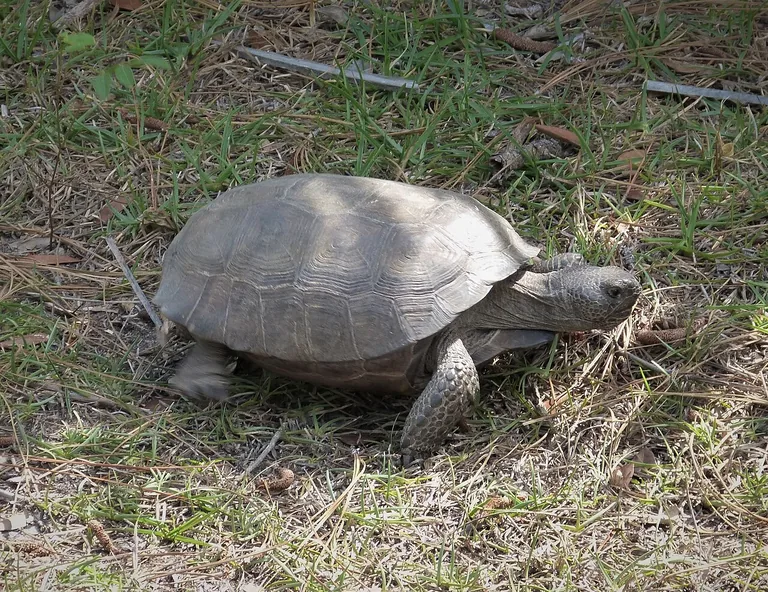
IUCN Red List entry ↗The gopher tortoise digs burrows that over 350 other species depend on for shelter — indigo snakes, burrowing owls, gopher frogs. Lose the tortoise and that whole web shifts. Georgia holds a large chunk of the remaining population, but the longleaf pine forests they need are down to less than 3% of what they once covered.
Georgia Conservancy ↗The barred owl's call — "who cooks for you?" — is one of the defining sounds of Georgia's old forests at night. Not endangered yet, but a reliable indicator of forest health. As bottomland and upland forests break apart, the hunting range and prey base these owls need shrinks with them. When barred owls start thinning out, the forest already went wrong.
Georgia Raptor Center ↗North America's longest native snake, the Eastern Indigo once ranged across Georgia's coastal plain. It's federally threatened for a specific reason: it overwinters in gopher tortoise burrows. When tortoise populations fall, so does the snake. The two are bound together — a functioning longleaf system has both, and a broken one loses both.
U.S. Fish & Wildlife ↗Almost nobody in Georgia has seen one. The flatwoods salamander breeds in temporary ponds inside longleaf pine flatwoods — a habitat now down to under 3% of its original range. It needs the pond and the surrounding forest both, migrating between them, which makes fragmentation especially deadly. Species people don't know exist are the easiest to lose.
IUCN Red List entry ↗The Canopy Method
The rainforest is one of the most complex and globally beneficial ecosystems on Earth where all of its species — plant, animal, fungi, and more — play their role in its existence. The canopy catches light and filters that energy downwards. Complex root networks carry nutrients and information that feeds the whole system. The forest doesn't compete; it cooperates towards collective health and success.
That's how TCV is built. Every branch feeds another and every root connects the system to the larger planet. Revenue funds the mission, the mission drives the community, and the community amplifies the purpose. What matters is growth accounting for impact and feeding a brighter future.
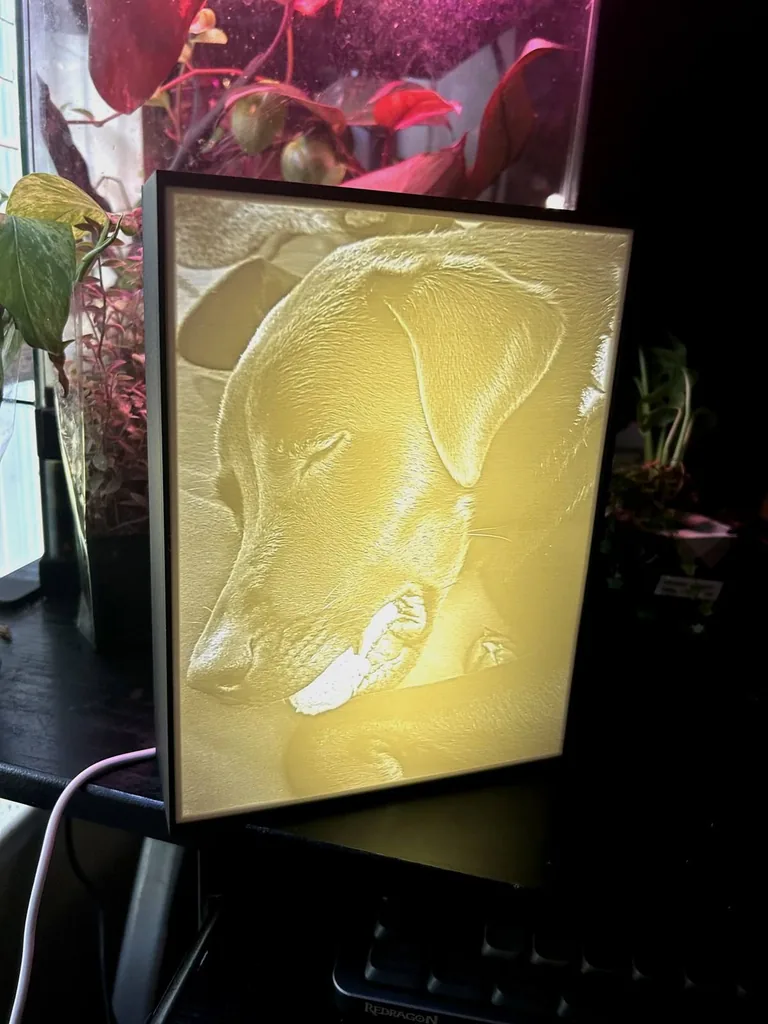
Foundation of the Collective. Eco 3D printed products, engineering, and functional goods with conservation in their material — not a label attached later.
Systems and tools. MANIFEST drives personal growth through structured engagement. Canopy brings that philosophy to small businesses. Where ideas become lasting infrastructure.
Broadcast layer. Conservation storytelling, education, and community signal. Catches attention and distributes it back through the ecosystem.
The Collective
Each arm feeds the whole. No deadweight. No decoration.
Live now
MANIFEST is a personal development platform built around structured habits, intentional goal-setting, and AI-powered direction. It's designed to change how people show up for themselves — not through motivation, but through systems. Built under Tevazirus Technologies as proof that engagement-first design creates real, lasting behavior change.
Get in range
TCV isn't looking for noise — it's building a network of people who share the mission with real energy and genuine skills. If that's you, we want to hear from you. Partners, collaborators, conservationists, makers, developers — the canopy has room.