Species · care paths · conservation

Free resource · no purchase required

Come curious. Meet the animals.

Pick the animal that pulls you in and stay for the bigger story around it. Each profile keeps the source, status, habitat, pressures, and limits close by. The four paid shop connections sit inside the matching species profiles, clearly marked and easy to ignore.

Free now: six full profilesGrowing: three separate care pathsAlways: sources and limits stay visible
Free species profiles

A field dossier, not a product grid.

We checked every preview profile against its named wildlife source on 10 August 2026. Open the animal that catches you and take your time with it. Conservation status can change, so the source and check date stay in view instead of disappearing behind a confident paragraph.

Look closer, and the whole system appears.

No species lives as an isolated fact. Follow one animal long enough and you meet the forest, grassland, mountain, water, prey, neighbors, and human choices wrapped around its life.

Habitat photo: Vyacheslav Argenberg, Andaman Islands forest canopy · CC BY 4.0

Resource in preparation · not guidance yet

Three animals. Three separate sets of needs.

I live with all three of these animals, which helps me see where the questions really are. It does not turn one keeper’s experience into universal guidance. Each care path still needs current sources, clear welfare boundaries, and a review date before it belongs in somebody else’s decision.

Humid-snake path

Ball python

Environment, feeding, behavior, and welfare questions deserve their own record instead of a generic “snake care” page.

Boa-specific path

Nicaraguan red-tail boa

Adult scale, environment, and handling context will not be copied over from the ball-python path.

Arid-gecko path

Leopard gecko

This arid animal needs a distinct environmental and welfare review, not leftovers from a humid reptile template.

Free resource · no purchase required

Useful resources, added one honest layer at a time.

Conservation from home, source-checking tools, and field notes belong here once they are real enough to use. We are not promising downloads that do not exist yet. When a resource arrives, it will be free to explore without buying a product.

Care information should feel safe to use—and safe to question.

Future guidance will name its audience, geography, sources, issue date, limits, and review history. Keeper observation will be labeled as experience, not universal advice, and veterinary or emergency boundaries will remain explicit.

Until a resource passes that review, it stays labeled as work in preparation.

Wildlife and habitat photo credits

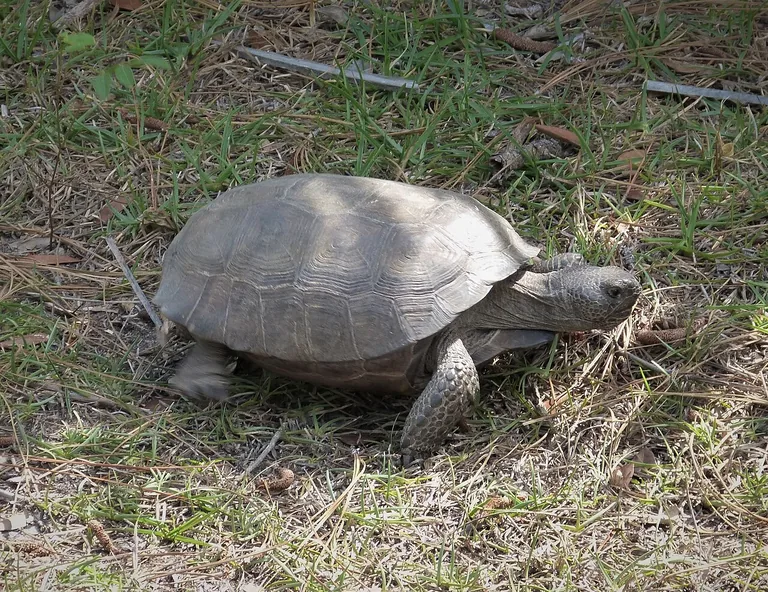
Gopher Tortoise — gailhampshire, source file, CC BY 2.0.

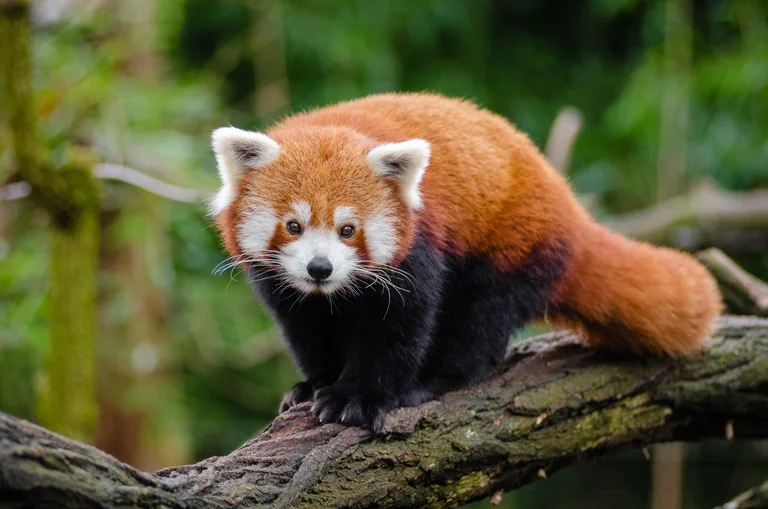
Red Panda — Mathias Appel, source file, CC0 1.0.

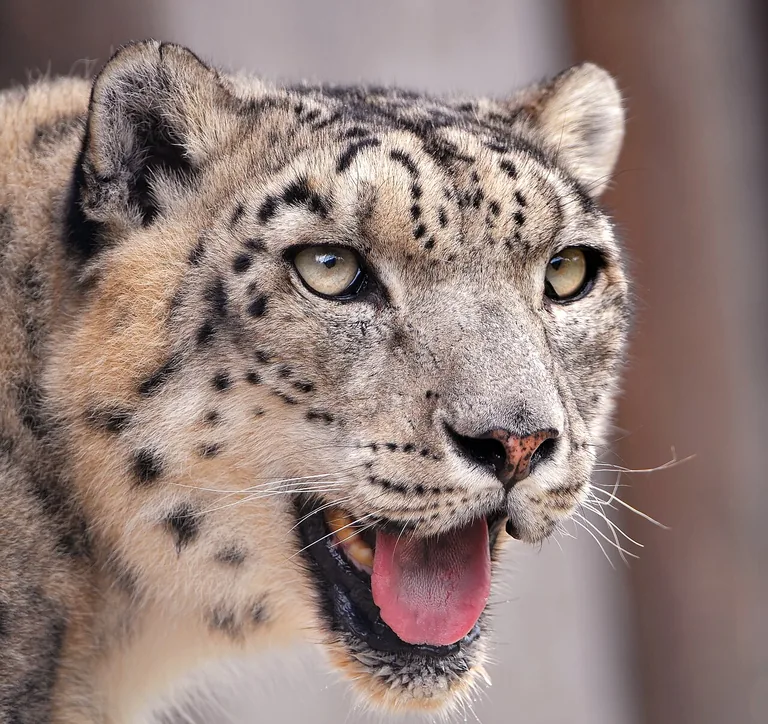
Snow Leopard — Tambako The Jaguar, source file, CC BY-SA 2.0.

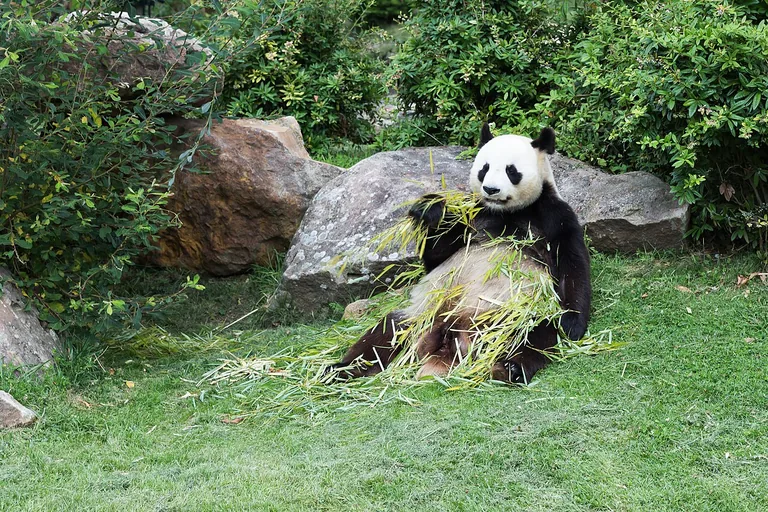
Giant Panda — William Crochot / Medium69, source file, CC BY-SA 4.0.

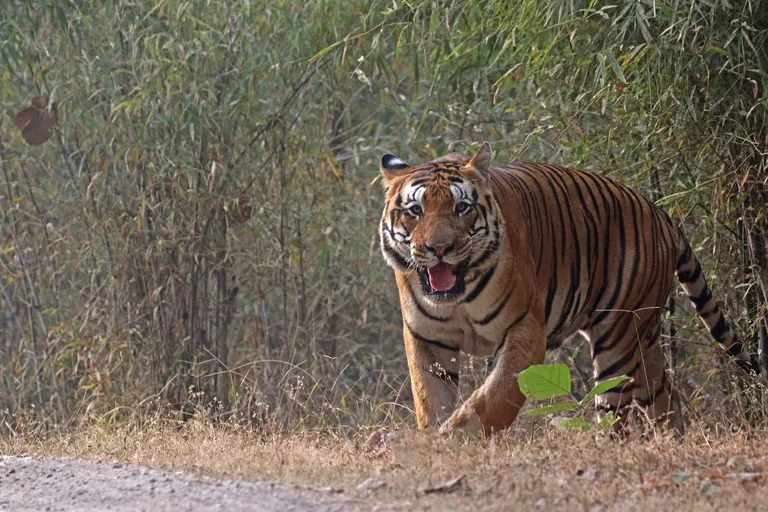
Bengal Tiger — Davidvraju, source file, CC0 1.0. Photographed in Kanha National Park, India.

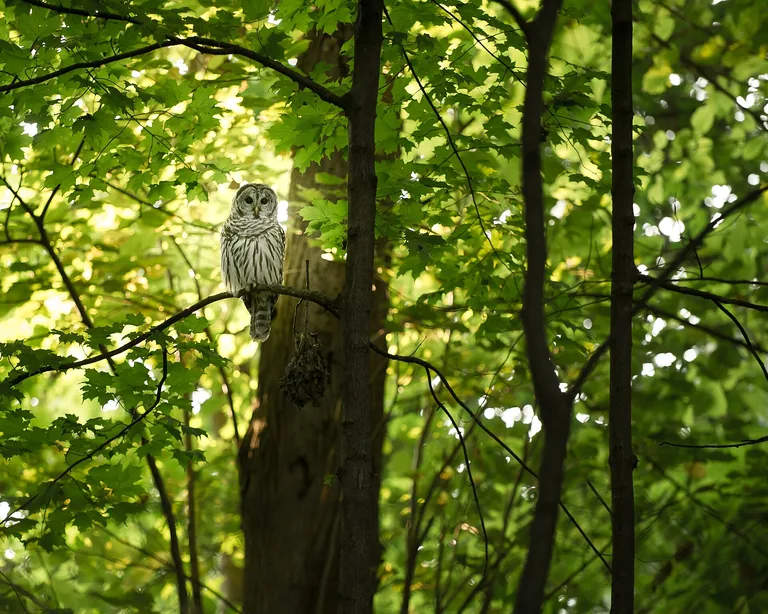
Barred Owl — Tina Rataj-Berard, source file, CC0 1.0.

Sangha tropical rainforest — JosepMGracia, source file, CC BY-SA 4.0.

Khlong Phanom jungle stream — Vyacheslav Argenberg, source file, CC BY 4.0.

Andaman Islands canopy — Vyacheslav Argenberg, source file, CC BY 4.0.

Quinault mossy rainforest trail — Olympic National Park, source file, public domain.

Wildlife images are cropped responsively for this site. Product photographs appear only inside clearly labeled paid shop connections and are not species-reference images.

Free inquiry · no purchase required

From animals to the people who care about them.

If a species left you with a question, a correction, or an idea for a future resource, bring it to Community and keep the thread going.

Visit Community