
Keeper animal care · sourced and honestly labelled
Keeper animals
Keeping an animal closely teaches you things a care sheet can't. These animals live in the same space — a gecko, a ball python, and a Nicaraguan red-tail boa — and the real questions they raise are the ones these care guides are built around. Nothing here is published as guidance until the sources and welfare limits are nailed down.
Photo: Tevazirus
Keeper animals
Seven keeper groups
Full guides are sourced, reviewed, and carry an honest vet-review status. The zebra millipede species identification is at high confidence from photographs — not formally confirmed.
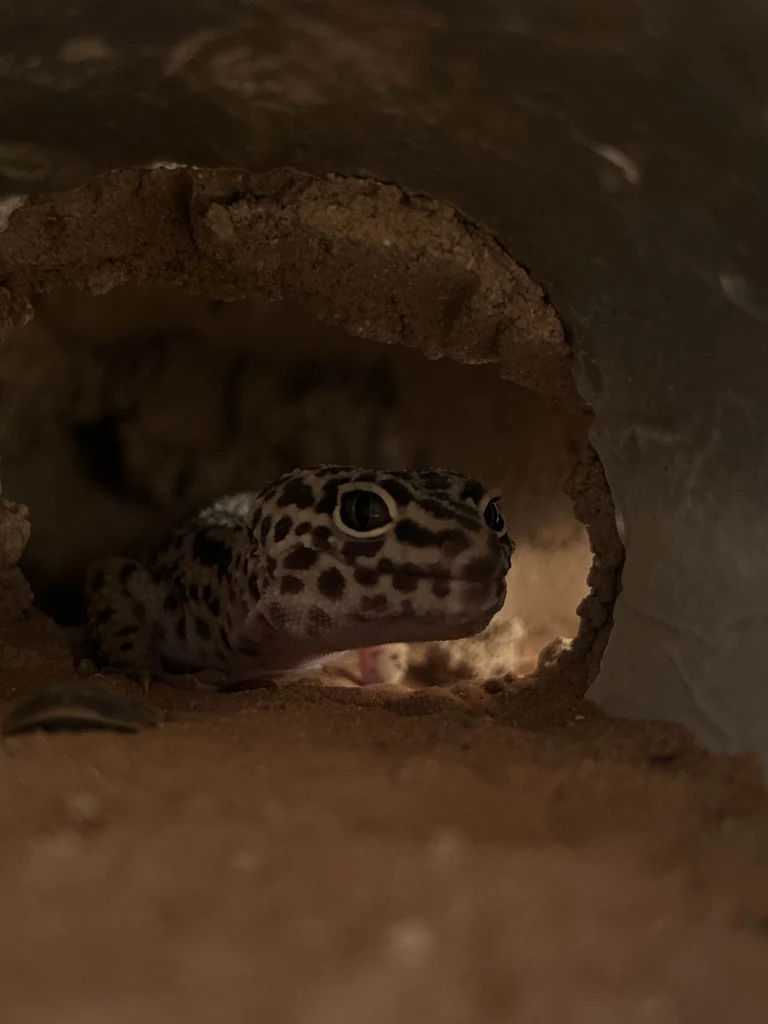
Leopard gecko
Care guideEublepharis macularius
Full sourced care guide — enclosure, heating, feeding, health, and safety. IUCN Least Concern · captive-bred.
Read the care guide →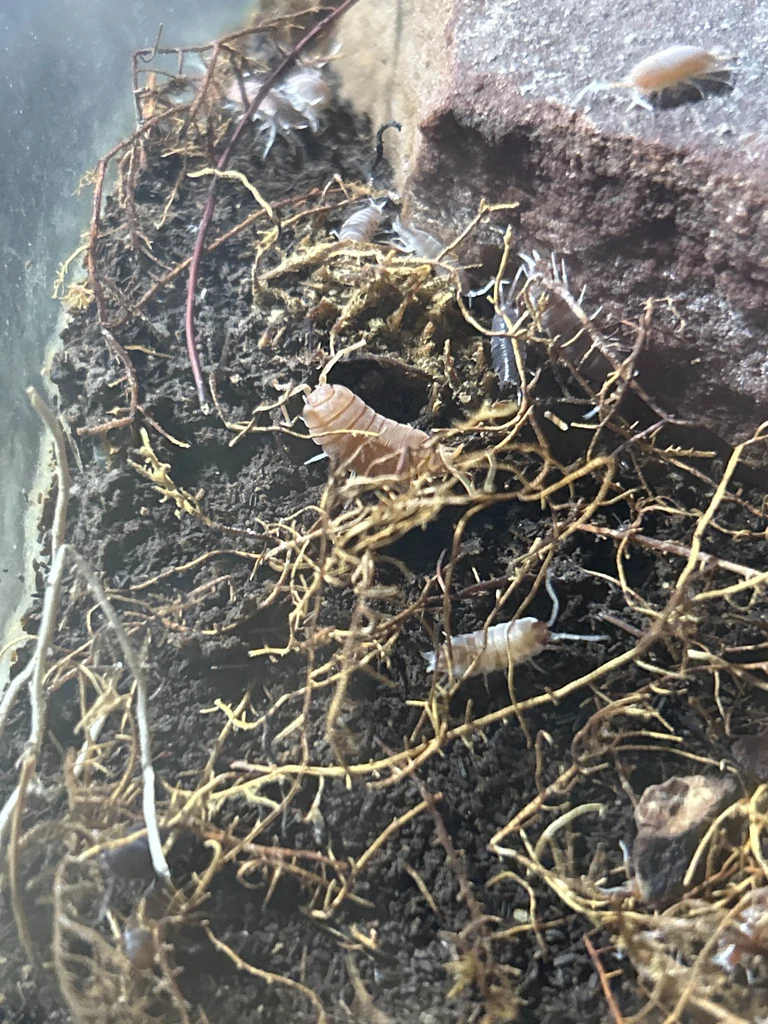
Orange Cream & Powder Blue Isopods
Care guidePorcellionides pruinosus
Full sourced care guide covering both morphs — housing, substrate, humidity, diet, and responsible keeping. IUCN Not Evaluated · captive-bred morphs.
Read the care guide →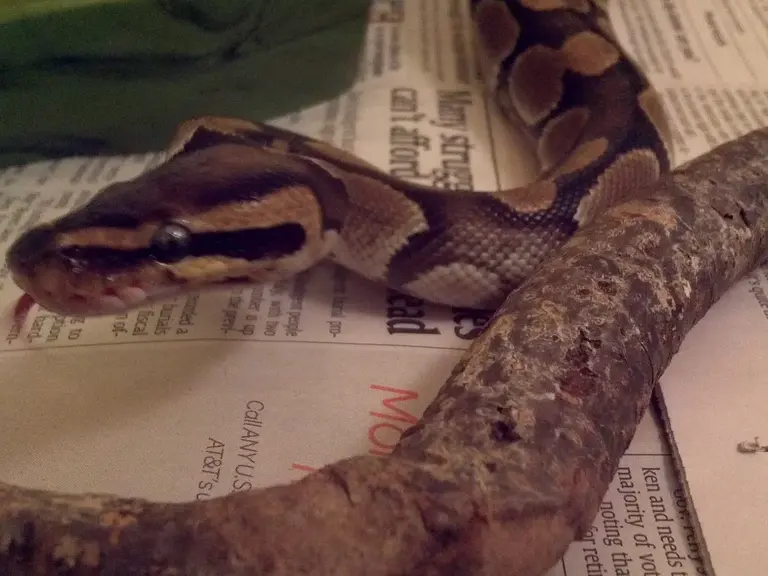
Ball python
Care guidePython regius
Full sourced care guide — enclosure, feeding, handling, health, and Georgia legal status. IUCN Near Threatened · sourcing matters.
Read the care guide →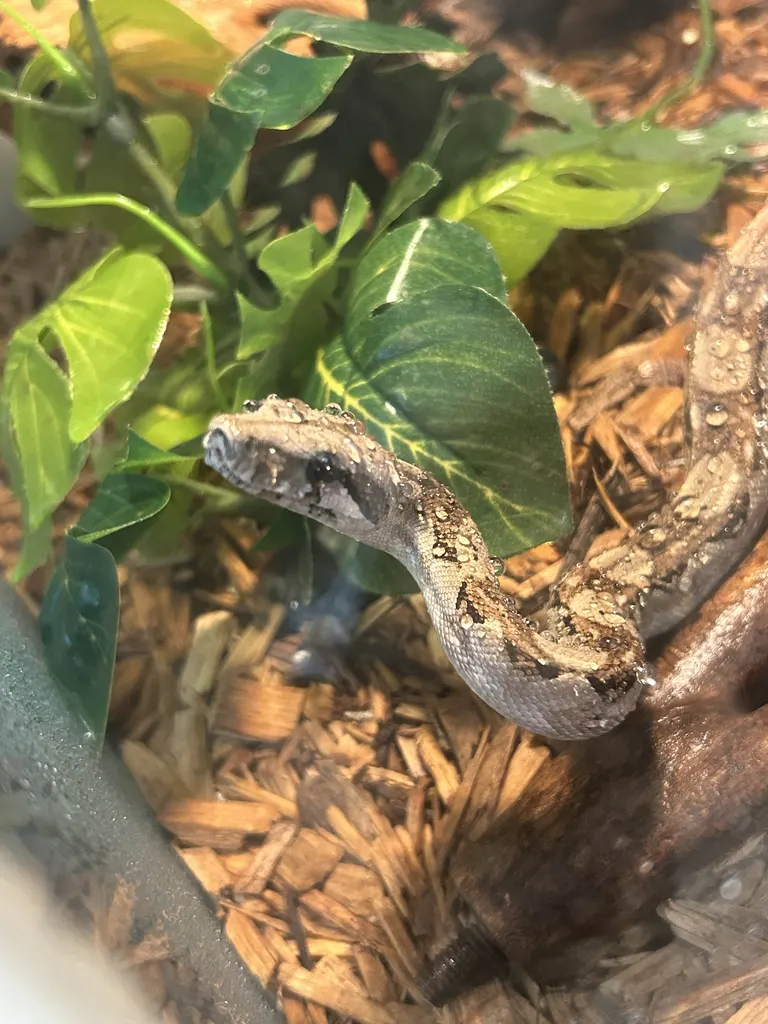
Nicaraguan red-tail boa
Care guideBoa imperator
Full sourced care guide — enclosure, handling safety at adult size, health, and Georgia legal status. IUCN Least Concern.
Read the care guide →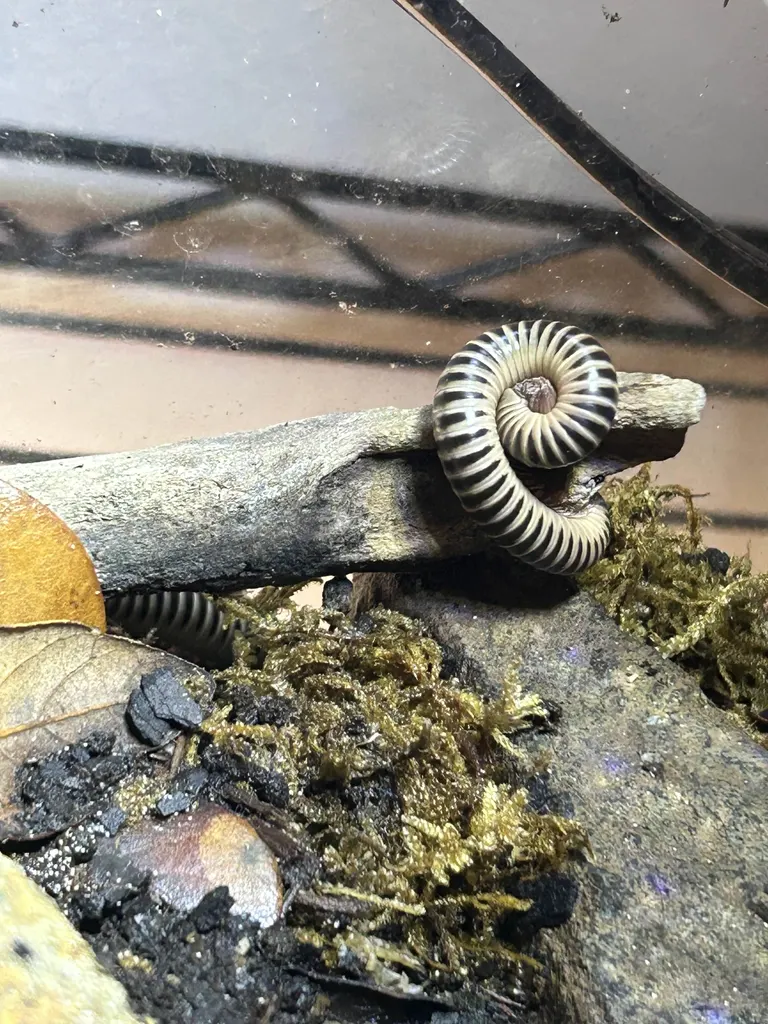
Zebra millipede
Species ID pendingLikely Chicobolus spinigerus — high-confidence photo ID
Full sourced care guide for the Florida ivory millipede — species identified from photographs at high confidence, not formally confirmed.
Read the care guide →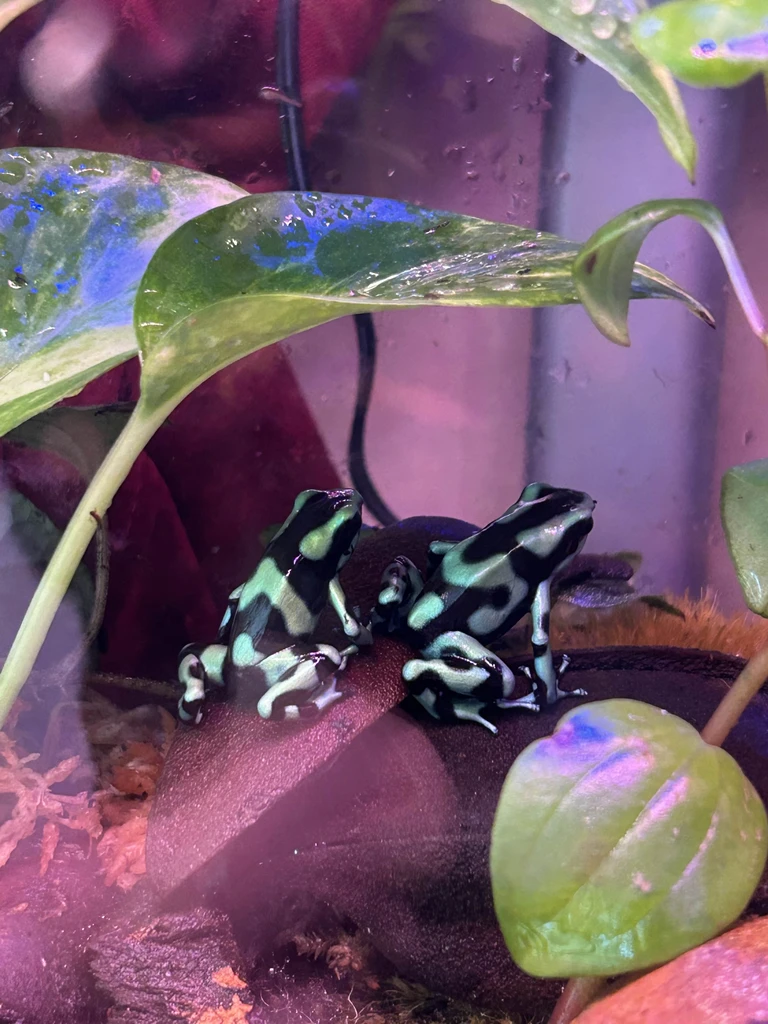
Dart frog
Care guideDendrobates auratus — Nicaraguan green
Full sourced care guide — vivarium, temperature, live feeding, chytrid biosecurity. IUCN Least Concern · advanced keeper species.
Read the care guide →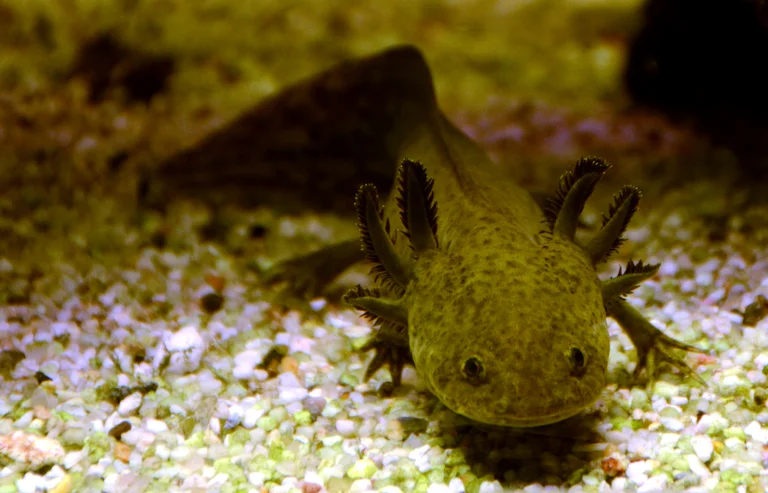
Axolotl
Care guideAmbystoma mexicanum
Full sourced care guide — tank setup, water chemistry, feeding, health, and legal status. Critically Endangered in the wild · captive-bred since the 1860s.
Read the care guide →Care information should feel safe to use — and safe to question.
Full guides name their sources, issue date, and vet-review status. The zebra millipede species identification is at high confidence from photographs and has not been formally confirmed by physical examination — the page is honest about that. Until a resource passes the full review standard, it stays clearly labelled.
Photo: Tevazirus
Keep exploring
From keeper animals to the ones facing real pressure.
The conservation side of Tevazirus covers species facing real pressure that don't always make the headlines — fifteen sourced field dossiers, including the ball python's wild story.
Browse the conservation dossiers